STEAM
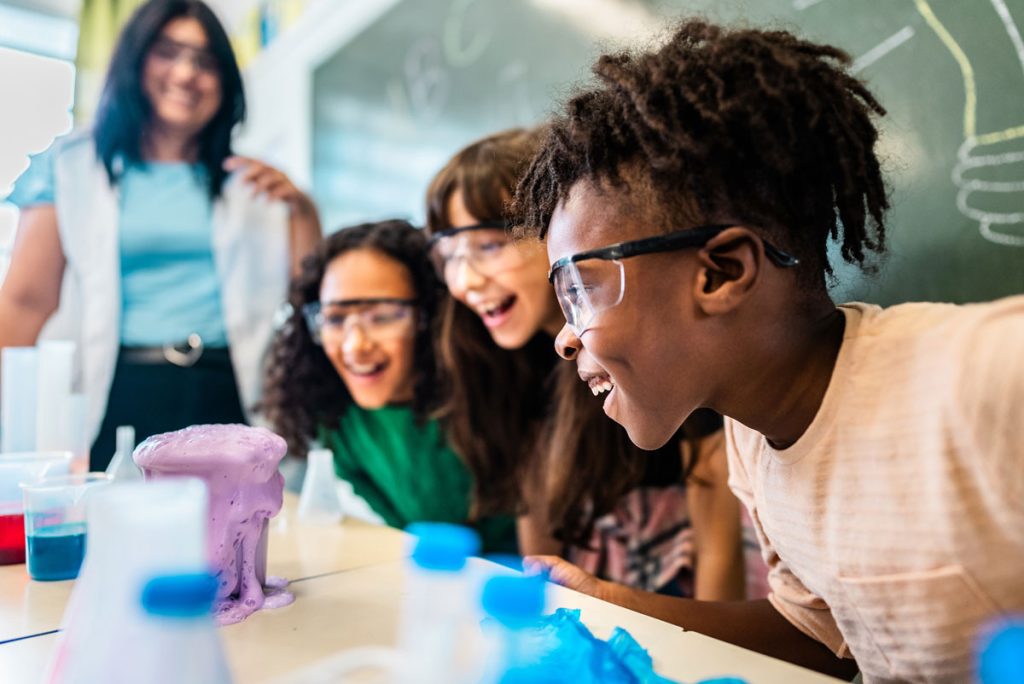
At Newberry Community School, students learn by doing. Our STEAM approach emphasizes hands-on, project-based learning that encourages curiosity, problem-solving, and creative thinking, bringing together Science, Technology, Engineering, the Arts, and Mathematics in meaningful ways for all students K-4.
S — Science
T — Technology
E — Engineering
A — Arts
M — Mathematics
Math skills are applied through problem-solving, reasoning, and real-world connections that help students understand how math supports everyday learning.
Gifted and Talented Program
The Gifted and Talented STEAM program led by Science Teacher Helen Saltzgiver integrates Science, Technology, Engineering, Arts, and Mathematics to provide enriched, project-based learning for high ability students. These programs foster critical thinking, creativity, and collaboration through advanced curricula. Key elements include personalized learning paths, hands-on coding, and robotics. Identified students will be instructed by Mrs. Saltzgiver during their Science block.
- Curriculum Acceleration: Students work with advanced, interdisciplinary, and complex material tailored to their high ability levels.
- Project-Based Learning: Focus on real-world problem-solving using tools like SAM Labs, LEGOs, and coding platforms.
- Arts Integration: Blending artistic creativity with STEM subjects to foster innovative, “whole-brain” thinking.
- Small Group/Individual Focus: Often includes specialized instruction, low student-teacher ratios, and independent research projects.
- Social-Emotional Support: Programs often address the unique affective needs of gifted children.